Sustainable print on demand for printed goods
Print on demand removes one of the biggest sources of waste in printing, which is unsold stock. Here is how the model works, what else matters, and what to ask a provider.
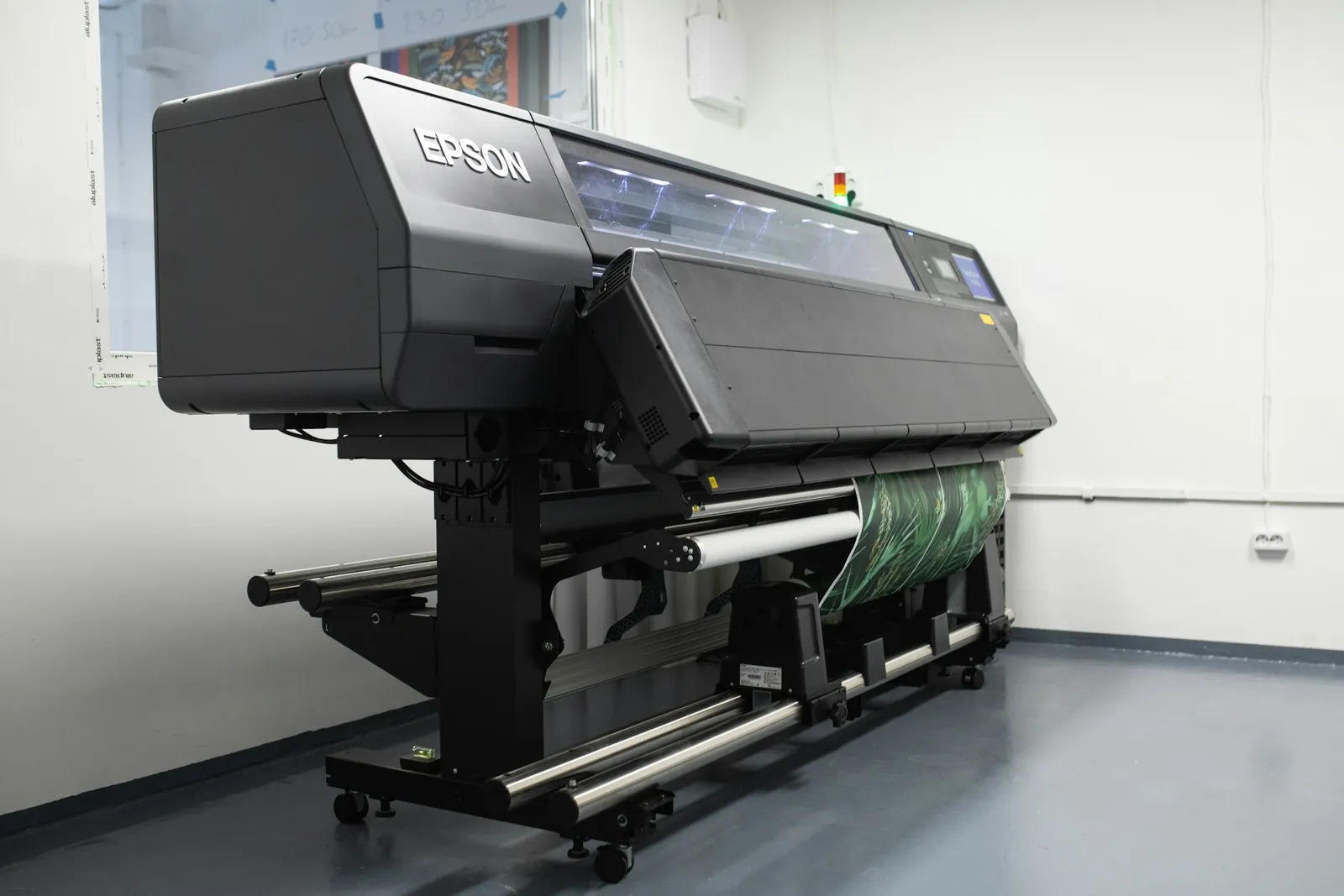
Print on demand means nothing is made until someone orders it. For printed goods, that removes the largest single source of waste in the industry. That source is not ink or energy, but boxes of unsold material that were printed because a long run was cheaper per unit. A sustainable print on demand setup pairs the on-demand model with recycled stock, cleaner inks and packaging that is not plastic. Any one of those on its own leaves most of the footprint in place.
We are Eco Friendly Printer, family run since 1990 and based in Ponte Vedra Beach, FL. We print short runs on recycled, FSC certified stock, most of it 100 percent post-consumer waste, with soy-based inks and chlorine-free bleaching, and we quote and ship nationwide. This article explains how the model works and what to check before you rely on any printer's green claims.
Why on-demand production cuts waste
The traditional way to buy print involves estimating. You order five thousand brochures because the per-unit price at five thousand looks good, you use eight hundred, your address changes, and the rest goes in the recycling bin. In that case the lower unit price did not save money. You paid for four thousand two hundred extra pieces of paper, the ink on them, the energy to make them and the fuel to ship them to you.
On-demand production replaces the estimate with the actual number you need. Three things make that possible:
- No plates. Digital presses print directly from the file. Conventional offset needs a plate for each color on each job, and those plates are what make short runs expensive. Without them, a run of two hundred is a practical order.
- No warehouse. Nothing sits in a box waiting to become outdated. Prices, phone numbers, staff names and logos all change, and stored print goes out of date quickly.
- Version control. When reprinting is affordable, you can fix a typo right away instead of living with it for two years, and you can run different versions for different markets instead of one general piece.
The environmental benefit is straightforward. Paper that is never printed has no footprint at all.
Other factors besides on-demand production
A print on demand service that uses virgin stock and petroleum inks and ships everything in poly bags has solved overproduction, but the rest of its footprint remains. That footprint comes from four areas.
Stock
Post-consumer recycled fiber is paper that someone used and put in a recycling bin. It keeps material in circulation and reduces the need to pulp new trees. FSC certification confirms that any fiber that is not recycled came from responsibly managed forests. Most of what we print is on recycled stock, much of it 100 percent post-consumer.
Ink
Soy-based inks come from a renewable crop, have a much lower solvent content than petroleum inks, and de-ink more easily when the paper is recycled. That last point is especially important for printed pieces, because it determines whether the fiber can be recovered cleanly at the end of its life.
Bleaching
Chlorine-free processing avoids the chlorinated compounds that conventional bleaching releases into mill wastewater. The difference is not visible in the finished sheet, but it is one of the more important differences between two papers that look the same.
Packaging and shipping
Every print order has to be packed for shipping. Recycled corrugated boxes, paper tape and paper void fill keep the outer packaging in the same recycling stream as the print inside it. Poly mailers and plastic carton tape do not. For your own shipments, recycled paper shipping mailers are an alternative to poly bags. Producing closer to where the print is going also shortens the transport distance, which is the part of the footprint that increases with distance rather than quantity.
What to ask a print on demand provider
- Post-consumer content. Ask for the post-consumer recycled content of the stock as a percentage. The word "recycled" on its own is not enough, and a vague answer usually means the percentage is low.
- Inks. Ask which inks the printer uses. Soy, vegetable or water-based inks are a specific answer, while "eco friendly" is not.
- FSC certification. Ask whether the paper is FSC certified and whether the printer can show the chain of custody. A genuine certification comes with a certificate number.
- Packing. Ask how the finished job is packed, including the mailer, the tape and the fill.
- Minimum order. Ask for the actual minimum quantity. A provider that promotes sustainability but requires a run of five thousand is still encouraging overproduction.
- Paper samples. Ask to see the stock. A printer that prints on recycled paper regularly should be able to show you a sheet.
What we run on demand
Our short-run work covers the printed material businesses reorder most: business cards, brochures, flyers, postcards, letterhead and envelopes, signs and banners, labels and stickers, packaging components, greeting cards and invitations, and book and publication printing. See our product pages for the full list, or start with business cards and book printing, which are the two jobs customers most often want in small quantities.
We print short runs, and minimums depend on the job, so you can order the quantity the job needs rather than the quantity that makes the pricing look good. Tell us your date when you request a quote.
Book printing is where on-demand production helps most. Self-published and small press titles have often left authors with a garage full of unsold copies. Printing in the tens or low hundreds, then reprinting when stock runs low, reduces that inventory risk and makes it a matter of scheduling. Our page for publishers and authors has more detail.
Common questions about sustainable print on demand
What is sustainable print on demand?
Sustainable print on demand means printing only what has been ordered, using recycled stock, cleaner inks and packaging that is not plastic. The on-demand model removes the waste of unsold inventory, and the material choices address the rest of the footprint.
Is print on demand better for the environment?
Print on demand avoids the waste of printing more than you need, and paper that is never printed has no footprint. Digital presses also print without plates, which makes short runs practical and keeps setup waste low.
What should I ask a print on demand provider about sustainability?
Ask for the post-consumer recycled content of the stock as a percentage, which inks the printer uses, and whether the paper is FSC certified with a chain of custody. It is also worth asking how finished jobs are packed and what the actual minimum order is.
Is print on demand a good option for self-published books?
Printing books in the tens or low hundreds and reprinting when stock runs low reduces the risk of unsold inventory. Book printing is one of the areas where on-demand production helps most.
Making it work in practice
- Order the real number. Count the event attendees, the mailing list or the shelf space. Then add a small margin.
- Keep artwork print ready. Files that are already correct make reordering a quick decision instead of a project.
- Plan for pieces that change. If a piece includes pricing or staff names, plan on a shorter run and a reprint.
- Proof on the stock. Recycled uncoated papers absorb ink differently than coated white sheets. Ask about paper samples when you request a quote, and see our paper samples page for details on our stocks. A sheet in hand answers more questions than a screen proof.
- Label your choices. If a piece is printed on 100% recycled stock with soy inks, add a line that says so. Customers can only give you credit for a choice they know about.
If you have a job you would like to print in the quantity you need, start your order and tell us the piece, the quantity and the date. We will reply with stock options and a quote.
Products mentioned in this piece
Everything below prints on recycled, FSC-certified stock with soy-based inks. Ask for a quote on any of it.
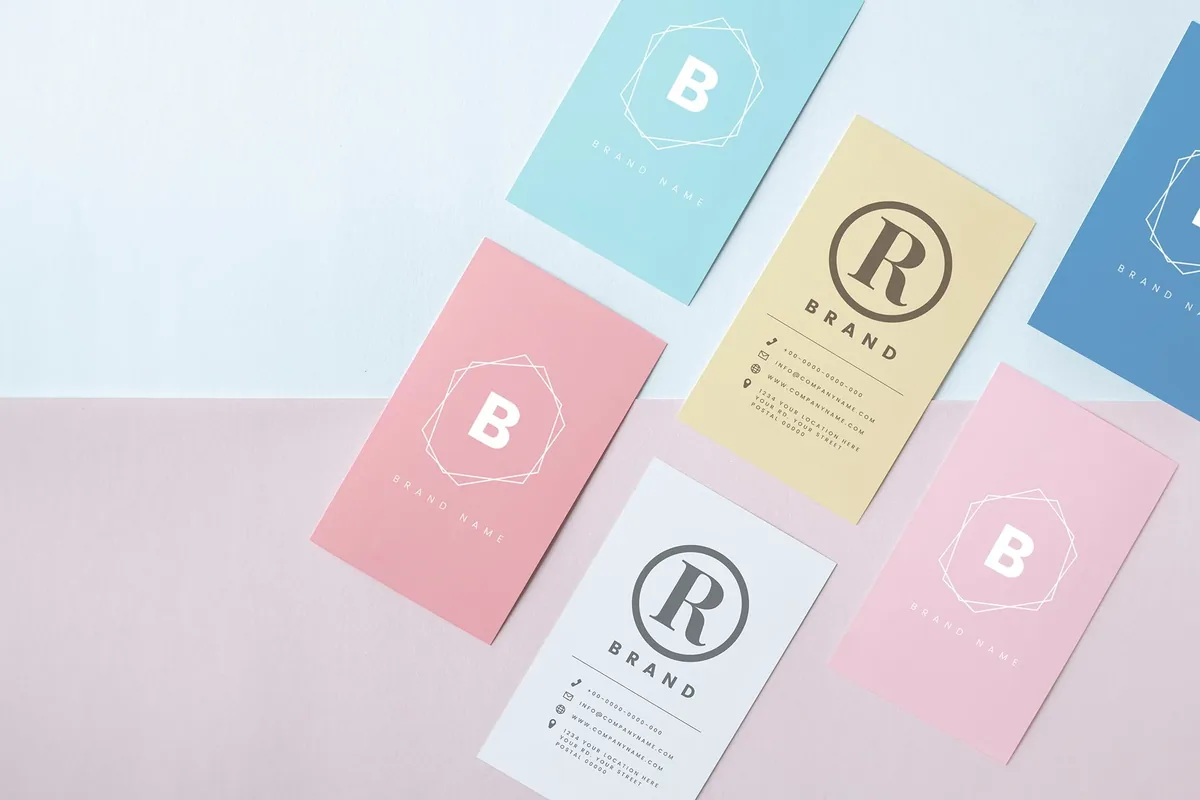


Printing something like this?
Thirty-six years of sourcing recycled stock, put to work on your job. Tell us what you need and Greg will come back with stock options, a price and a date.