Digital vs offset printing: which is right for your job
Digital printing suits short runs and personalized pieces. Offset suits larger runs and exact color matches. This guide explains how each works and how to choose.
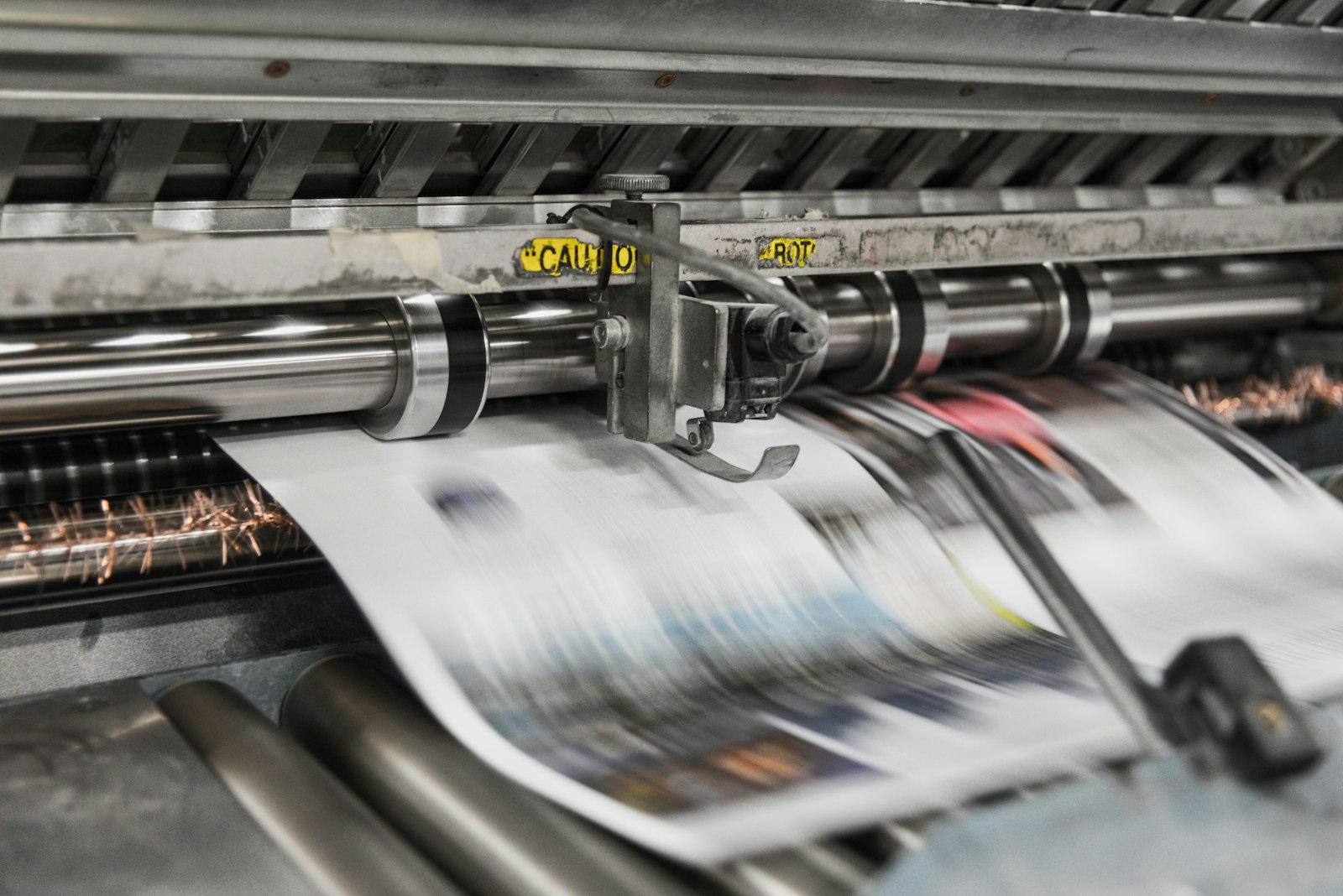
Digital printing and offset printing are the two main ways commercial print is produced. Digital printing suits short runs, fast schedules and pieces where each copy is different. Offset printing suits larger quantities, exact brand color matches and specialty papers, and it has the lowest cost per piece at volume. Both run on the same recycled, FSC certified paper.
You do not need to decide on your own. Tell us the quantity, size, paper and deadline when you request a quote, and we will suggest the process that fits the job.
How offset printing works
Offset printing transfers ink from a metal plate to a rubber blanket and then to the paper. Each ink color needs its own plate, and the press needs setup time and test sheets, called make-ready, before it runs at full speed.
Because that setup is a fixed cost, the price per piece drops as the quantity rises. Offset presses can print true Pantone spot colors as well as four-color process, and they handle a wide range of paper weights and textures. Our offset work runs on soy-based inks.
How digital printing works
Digital presses print straight from the file with toner or liquid ink. There are no plates, and setup is quick, so small quantities are affordable. Every sheet can be different, which makes digital printing the right choice for names, addresses, numbering and other variable data.
Digital presses build color from cyan, magenta, yellow and black, so spot colors are simulated rather than mixed as a separate ink. Proofs can be printed on the same press and paper as the final job.
Digital and offset compared
- Quantity. Digital suits short runs. Offset suits larger runs.
- Setup cost. Digital has little or none. Offset has plates and make-ready.
- Cost per piece. Digital stays about the same at any quantity. Offset falls as the quantity rises.
- Color matching. Digital simulates Pantone colors in CMYK. Offset can print exact Pantone spot inks.
- Paper and size. Digital works within the sheet sizes and weights the press accepts. Offset handles a wider range of stocks and larger sheets.
- Turnaround. Digital is usually faster for small jobs. Offset needs drying time, especially with soy-based inks.
- Personalization. Digital can change every piece. Offset prints identical copies.
Five questions that decide it
- How many pieces do you need now, and how soon will the content change?
- Does a brand color have to match exactly?
- Is the paper unusual, such as heavy, textured, cotton or oversize stock?
- When do you need the finished pieces?
- Does each piece need a different name, address or code?
If the run is small, the date is close or each piece is personalized, digital is usually the answer. If the run is large, the color must match a Pantone number or the paper is a specialty stock, offset is usually the better fit.
Which process is greener
Both processes can run on the same 100% recycled, FSC certified paper, so the paper does not decide it. The difference is in waste and ink.
Digital printing creates very little setup waste, which makes it the more efficient choice for short runs. It also makes it practical to print only what you need and reprint later, instead of ordering extra copies that may go unused. Offset printing with soy-based ink suits larger runs, and soy ink comes off the fiber easily when the paper is recycled. In most cases, the greenest choice is the right quantity on the right process.
Common examples
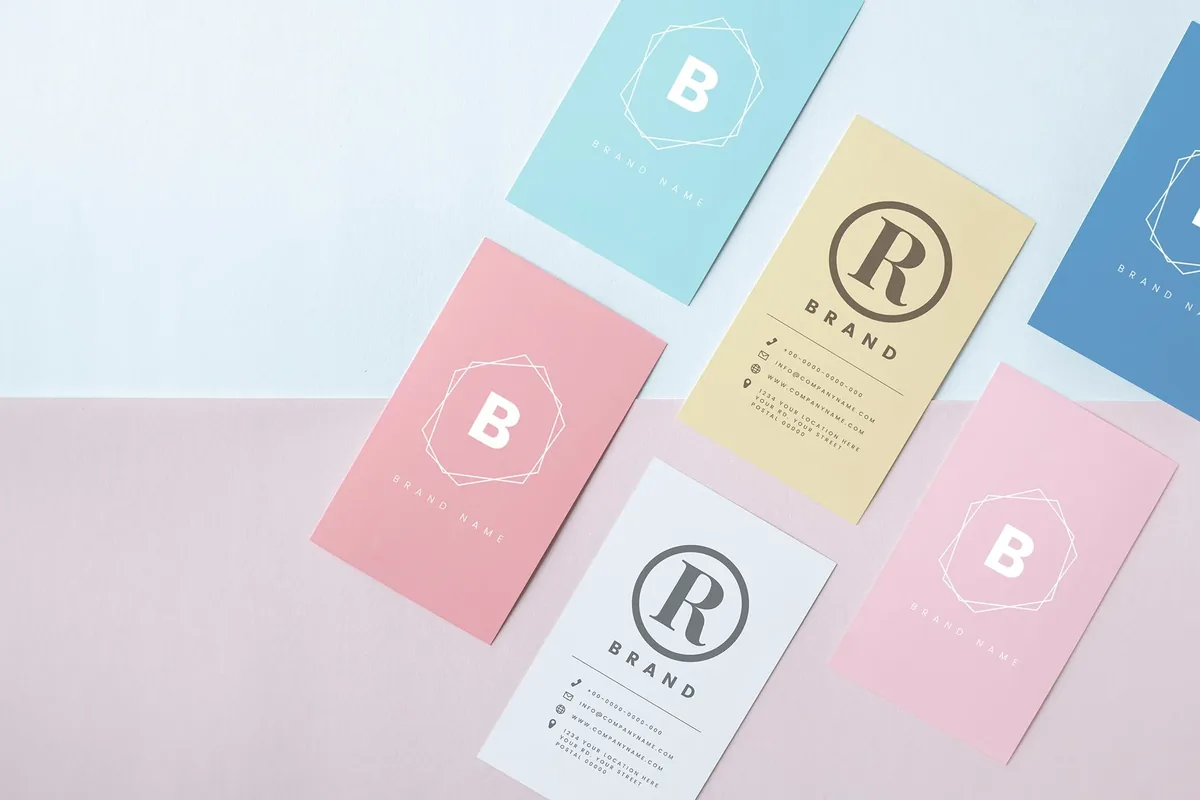
- 250 business cards: usually digital.
- 5,000 restaurant menus with a brand red: usually offset.
- 50 personalized event invitations: digital.
- 10,000 brochures: usually offset.
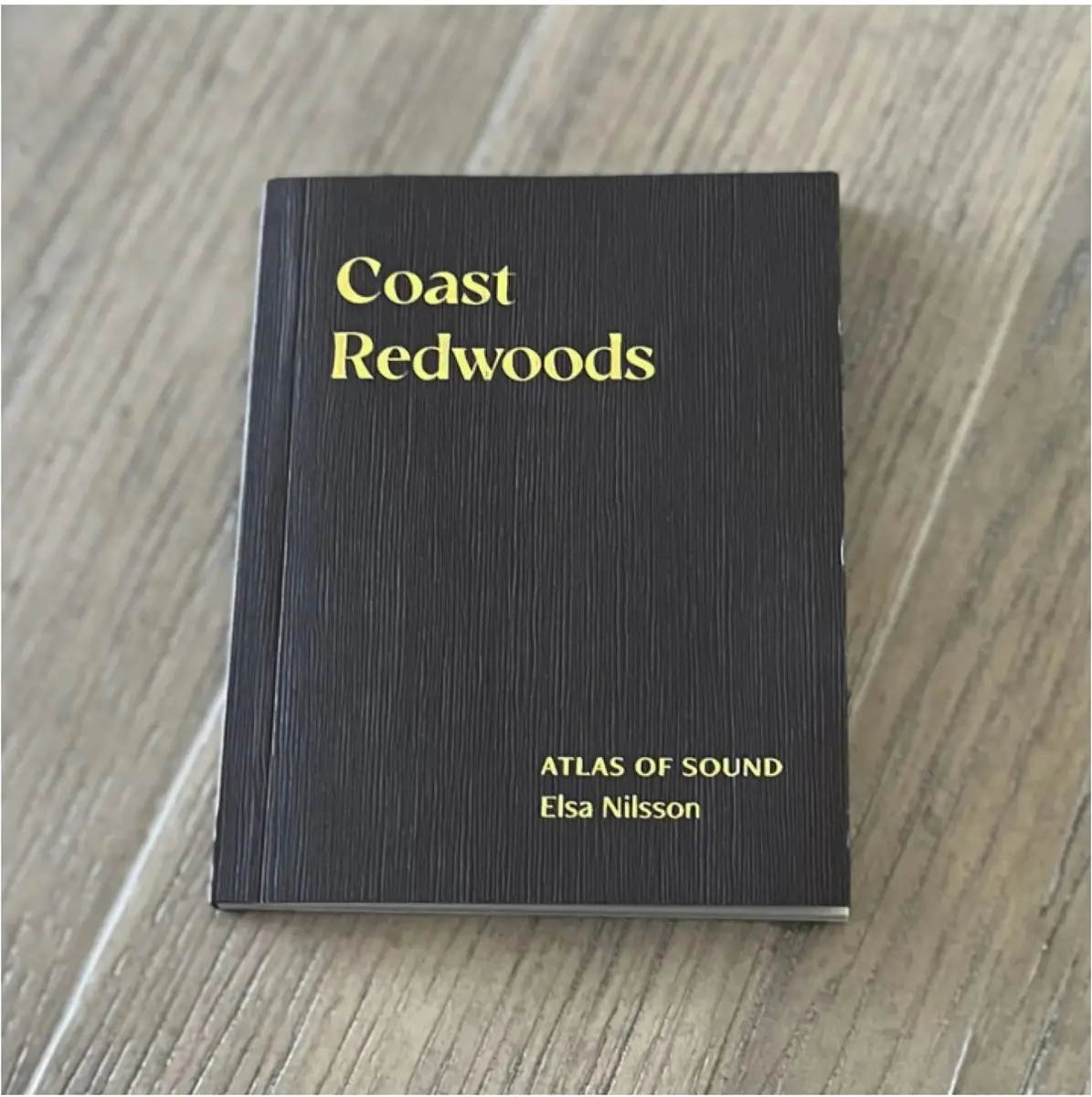
- A short run of books for a launch, with a larger reprint later: digital first, then offset.
Getting a quote
Send us the quantity, finished size, page count, paper preference, number of colors and deadline. We will suggest the process that suits the job and give you a price. Request a quote, or see our print products and paper stocks.
Products mentioned in this piece
Everything below prints on recycled, FSC-certified stock with soy-based inks. Ask for a quote on any of it.

Printing something like this?
Thirty-six years of sourcing recycled stock, put to work on your job. Tell us what you need and Greg will come back with stock options, a price and a date.